
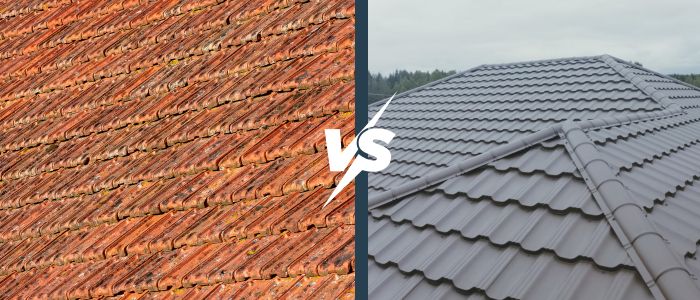
Your roof is not just a cover over your head—it is your home’s first shield against heat, rain, storms, and time itself. And when it comes to choosing the perfect roofing material, the decision often comes down to two powerful options: clay roof tiles and concrete roof tiles.
At first glance, they may look similar. Both are strong, both are stylish, and both are widely used around the world. But when you look deeper, the differences become much more important than most homeowners realize. One offers timeless durability that can last generations, while the other provides a more affordable and flexible solution for modern construction.
So the real question is not just “which one looks better?”—it is “which one truly protects your home, saves money long-term, and suits your climate best?”
In this complete guide, we will break down clay vs concrete roof tiles in simple, practical detail so you can make the smartest decision for your home with confidence.
Understanding Clay Roof Tiles in Detail
Clay roof tiles are one of the oldest roofing materials in human history. They are made from natural clay that is shaped and then fired at extremely high temperatures. This firing process turns the clay into a hardened ceramic material that becomes extremely resistant to heat and environmental damage.
Because of this natural composition, clay tiles have been used for centuries in hot climates such as Mediterranean and tropical regions. One of their strongest advantages is that the color is not applied on the surface—it is part of the material itself. This means clay tiles do not fade easily, even after decades of sunlight exposure.
Over time, clay roofs often develop a natural aged appearance that many homeowners consider more beautiful than new roofs.
Understanding Concrete Roof Tiles in Detail
Concrete roof tiles are a more modern roofing solution. They are made by mixing cement, sand, and water, then molding them into shape and allowing them to cure. Unlike clay, they are not fired in a kiln, which makes them more affordable and easier to manufacture in large quantities.
Concrete tiles can be designed in many shapes and colors, and they are often engineered to imitate the appearance of clay, slate, or even wood. This flexibility makes them very popular in modern construction.
However, because concrete is more porous than clay, it absorbs more moisture and may require more maintenance over time.
Step-by-Step Comparison of Clay vs Concrete Roof Tiles
To properly understand which material is better, it is important to compare them step by step based on real-world performance factors such as lifespan, cost, durability, and maintenance.
Below is a detailed comparison table that summarizes the most important differences:
Clay vs Concrete Roof Tiles Comparison Table
| Feature | Clay Roof Tiles | Concrete Roof Tiles |
|---|---|---|
| Lifespan | 50–100+ years, often lasts a lifetime | Around 40–50 years, sometimes longer with maintenance |
| Material Type | Natural fired clay (ceramic) | Cement, sand, and water mixture |
| Cost (Material) | Higher cost ($3–$7 per sq ft) | Lower cost ($2–$4 per sq ft) |
| Installation Cost | Higher due to fragility and skill needed | Moderate, easier to install |
| Weight | Heavy but slightly lighter than concrete | Very heavy, often heavier than clay |
| Water Absorption | Low, highly resistant to moisture | Higher, can absorb water |
| Maintenance | Very low maintenance | Medium to high maintenance |
| Color Durability | Permanent, does not fade | Can fade over time |
| Appearance | Natural, premium, traditional look | Flexible designs, modern and varied |
| Climate Performance | Best for hot climates | Good for mixed climates |
| Structural Requirement | Strong roof needed | May require reinforcement |
| Durability | Extremely long-lasting | Durable but shorter lifespan |
| Environmental Impact | Eco-friendly, natural material | Higher carbon footprint |
| Repair Frequency | Rare repairs needed | More frequent repairs possible |
Lifespan and Long-Term Performance
One of the most important differences between clay and concrete roof tiles is their lifespan. Clay tiles are known for lasting over 100 years in many real-world installations when properly maintained. This is because clay does not easily degrade under sunlight or weather exposure.
Concrete tiles, on the other hand, typically last between 40 and 50 years. Although some high-quality concrete roofs can last longer, they generally do not match the long-term durability of clay.
This difference becomes very important when you think about long-term investment. While concrete may be cheaper initially, clay often becomes more cost-effective over time because it rarely needs replacement.
Cost Difference and Hidden Expenses
At first glance, concrete tiles seem like the better choice because they are cheaper to buy and install. However, roofing cost is not only about the material price.
Clay tiles cost more upfront, but they require less maintenance and last much longer. Concrete tiles, while cheaper initially, may require sealing, cleaning, and even earlier replacement.
This means the real cost difference appears over decades, not just during installation.
Weight and Structural Impact
Both clay and concrete tiles are heavy roofing materials. However, concrete tiles are often slightly heavier or comparable in weight, which means both require strong structural support.
If a home is not designed for tile roofing, reinforcement may be necessary before installation. This can significantly increase total project cost.
Ignoring this step can lead to serious structural issues such as roof sagging or cracking over time.
Climate Suitability and Weather Resistance
Climate plays a major role in deciding between clay and concrete tiles.
Clay tiles perform extremely well in hot climates because they reflect heat and reduce indoor temperature. This makes them ideal for regions with strong sunlight.
Concrete tiles perform well in mixed climates, including rainy and cooler regions, but they tend to absorb more moisture, which can lead to algae growth if not properly maintained.
Maintenance Differences Over Time
Clay tiles require very little maintenance. Once installed properly, they can last decades with only occasional inspections.
Concrete tiles require more attention. Over time, they may need cleaning to remove moss or algae and may require sealing to prevent water absorption.
This difference is important because maintenance cost adds up over the life of the roof.
Appearance and Aesthetic Aging
Clay tiles maintain their natural beauty over time because their color is part of the material itself. They often look better as they age.
Concrete tiles offer more design variety, but their surface coating can fade over time, especially under strong sunlight.
FAQs
How do I tell if my roof is clay or concrete?
The easiest way is to look at a broken edge or the underside of a tile. Concrete tiles usually have a grainy, “sand-like” texture and the color is often only on the surface. Clay tiles are smooth, earthen, and the color is consistent all the way through the material.
Can you walk on a tile roof?
You should avoid it. While durable, both materials are brittle under point-loading. If maintenance is required, always use “walk pads” or step only on the “laps” (the reinforced area where tiles overlap) to prevent cracking.
Does a tile roof need to be cleaned?
Yes, especially concrete. Because concrete is more porous, it can host moss and algae. A professional “soft wash” every 3–5 years will keep it looking new. Never use a high-pressure power washer, as it can strip the protective finish or glaze.
Final Expert Verdict
When comparing clay and concrete roof tiles, there is no single winner for everyone. The right choice depends on your budget, climate, and long-term goals.
Clay tiles are the best choice for homeowners who want maximum durability, low maintenance, and a premium natural appearance. They are a long-term investment that can last for generations.
Concrete tiles are better suited for homeowners who want a more affordable option with flexible design choices and are comfortable with moderate maintenance.