
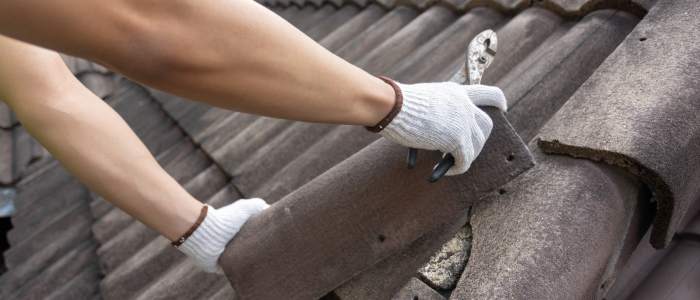
A residential roofing system serves as the primary protective barrier between a building and the external environment. Over years of exposure to rain, ultraviolet radiation, wind pressure, and thermal expansion, roofing materials gradually degrade. When repairs are no longer sufficient, homeowners must consider a complete roof replacement.
One of the most common questions during this process is simple but critical: How long does it take to replace a roof?
While many people assume roof replacement takes weeks, modern roofing crews often complete standard installations much faster. In most cases, replacing a residential roof takes between one and three days, although the exact timeline depends on roof size, materials, design complexity, and weather conditions.
Understanding the factors that influence roofing timelines helps homeowners plan construction schedules, avoid delays, and ensure that installation meets structural and safety standards.
Average Timeline for Replacing a Residential Roof
Under ideal conditions, professional roofing teams can replace a typical home roof in a surprisingly short time.
Typical Replacement Duration
| Home Size | Average Replacement Time |
|---|---|
| Small homes (under 1500 sq ft) | 1 day |
| Medium homes (1500–3000 sq ft) | 1–3 days |
| Large homes (3000+ sq ft) | 3–5 days |
For standard asphalt shingle roofs on average-sized homes, installation often takes only 6–10 hours of active work, allowing the entire project to be completed within a single day.
However, larger or more complex homes may require additional time.
Material Type and Installation Complexity
The type of roofing material significantly affects how long installation will take.
Different materials require different installation methods, safety precautions, and structural support systems.
| Roofing Material | Average Installation Time |
|---|---|
| Asphalt shingles | 1–3 days |
| Wood shakes | 2–8 days |
| Metal roofing | 3–7 days |
| Tile roofing | 6–12 days |
| Slate roofing | 6–10 days |
Asphalt shingles remain the fastest roofing system to install, which explains why they are the most common residential roofing material worldwide.
Tile and slate roofs require more careful placement and structural support, increasing installation time.
Architectural Complexity and Roof Design
Roof structure plays a major role in determining replacement speed.
Simple Roof Structures
A simple roof design allows contractors to work quickly and efficiently.
Characteristics include:
- Single ridge line
- Minimal slopes
- Few roof penetrations
- Limited flashing areas
These roofs are typically completed within one day.
Complex Roof Structures
More complicated roofs require detailed installation work.
Common features that increase installation time include:
- Dormers
- Skylights
- Chimneys
- Multiple valleys
- Steep slopes
Each additional feature requires precise flashing and waterproofing to prevent leaks.
Weather and Environmental Conditions
Roof replacement projects are heavily influenced by weather conditions.
Professional roofing contractors carefully monitor forecasts before starting installation.
Rain Delays
Rain is one of the most common causes of roofing delays. Moisture exposure can damage the exposed roof deck during installation, forcing contractors to pause work until conditions improve.
Wind Condition
Strong winds create safety hazards for roofing crews and can blow loose materials off the roof.
For safety reasons, roofing crews may delay installation during high wind events.
Extreme Temperature Effects
Temperature also affects roofing materials.
Asphalt shingles require moderate temperatures to properly seal and bond. Extremely hot or cold weather can slow installation to ensure proper adhesion.
Step-by-Step Roof Replacement Process
A roof replacement project typically follows several sequential phases.
Understanding these steps helps homeowners visualize the full timeline.
Step 1: Site Preparation
Before work begins, contractors prepare the property and surrounding area.
Preparation tasks include:
- Protecting landscaping and outdoor furniture
- Positioning ladders and scaffolding
- Delivering roofing materials
- Setting up safety equipment
This phase usually takes 1–2 hours.
Step 2: Removing the Old Roof
Next, the roofing crew removes existing materials.
This stage involves:
- Removing shingles or tiles
- Pulling out nails and fasteners
- Clearing old underlayment
For average homes, the removal process takes 3–6 hours.
Step 3: Roof Deck Inspection
Once the roof is stripped, contractors inspect the underlying structure.
They check for:
- Wood rot
- Mold or moisture damage
- Structural weaknesses
- Loose roof decking panels
If repairs are needed, installation time may increase by one additional day or more.
Step 4: Installing Underlayment and Waterproof Layers
After the deck inspection, contractors install protective layers that create a waterproof barrier beneath the roof.
These layers include:
- Ice and water shield
- Synthetic underlayment
- Drip edges and flashing
This stage prepares the roof for final material installation.
Step 5: Installing New Roofing Materials
This phase involves installing the visible roofing system.
Installation includes:
- Starter shingles
- Field shingles or tiles
- Ridge caps
- Flashing around vents and chimneys
Depending on roof size and material type, this stage usually takes one to two days.
Step 6: Final Inspection and Cleanup
Once installation is complete, contractors conduct a final inspection.
The final stage includes:
- Checking flashing and seals
- Removing debris and leftover materials
- Using magnetic tools to collect nails
Cleanup typically takes 1–2 hours.
Factors That Can Extend Roof Replacement Time
While many roofs can be replaced quickly, unexpected issues can extend the timeline.
Common delays include:
- Structural wood damage
- Multiple layers of old shingles
- Material delivery delays
- Permit approvals
- Unexpected weather changes
In some cases, these complications can extend the project to one or two weeks.
Professional vs DIY Roof Replacement Timeline
Some homeowners consider replacing their roof themselves to save money. However, DIY roof replacement usually takes significantly longer.
| Project Type | Average Duration |
|---|---|
| Professional crew | 1–3 days |
| DIY homeowner | 1–2 weeks |
Professional roofing crews use specialized tools, coordinated labor teams, and efficient material handling systems to complete projects quickly and safely.
How Homeowners Can Prepare for Roof Replacement
Preparing your home before installation can help the project run smoothly.
Recommended preparation steps include:
- Moving vehicles away from the house
- Protecting attic belongings from dust
- Informing neighbors about construction noise
- Securing fragile wall decorations
Roof replacement work can cause vibrations that travel through the building structure.
Final Thoughts
Replacing a roof is a major home improvement project, but the installation itself is often faster than most homeowners expect. For a typical house with asphalt shingles, professional roofing crews can complete the entire replacement process in one to three days.
However, factors such as roof size, material type, structural complexity, weather conditions, and contractor experience all influence the final timeline. By understanding the roof replacement process and preparing ahead of time, homeowners can ensure the project proceeds smoothly and efficiently.
A properly installed roof can protect a home for decades, making roof replacement not just a repair—but a long-term investment in structural safety and property value.